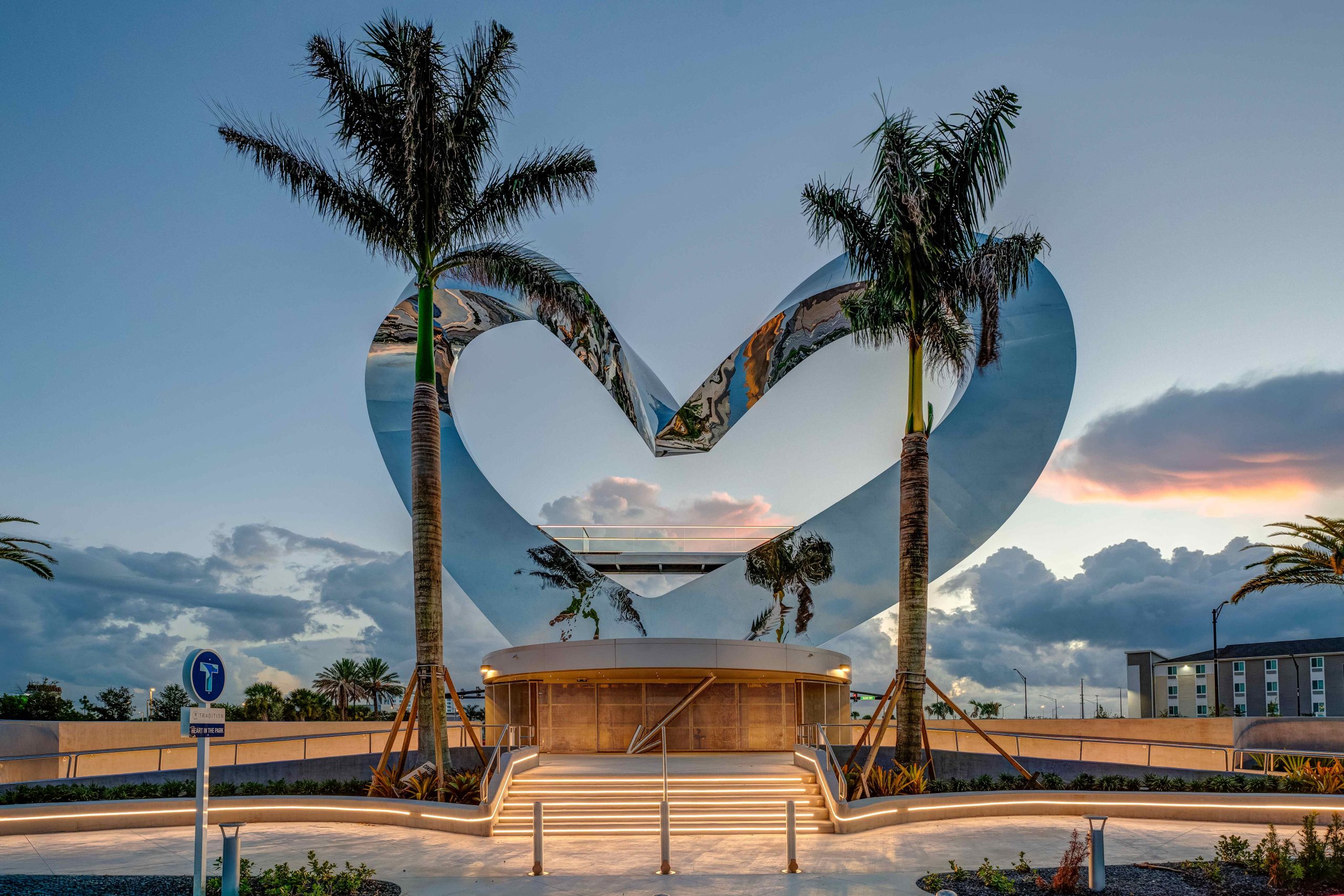
Port St. Lucie has been named the fastest-growing large city in the country for the fifth year running, according to MIAMI REALTORS + RWorld's analysis of the U.S. Census Bureau's Vintage 2025 estimates, measured against the nation's 91 largest cities with populations of at least 250,000. Its population is up nearly 30% over five years, a run that has outpaced Miami, Austin and Nashville, none of which show up in the conversation most people have about where America is growing fastest.
The city has something those markets are running out of: room. Port St. Lucie was incorporated in 1961 and platted around thousands of quarter-acre residential lots, and much of that original land is still buildable today, with new master-planned communities continuing to expand west of I-95. That has kept the market built around single-family homes rather than the high-density towers defining growth in South Florida's larger metros.
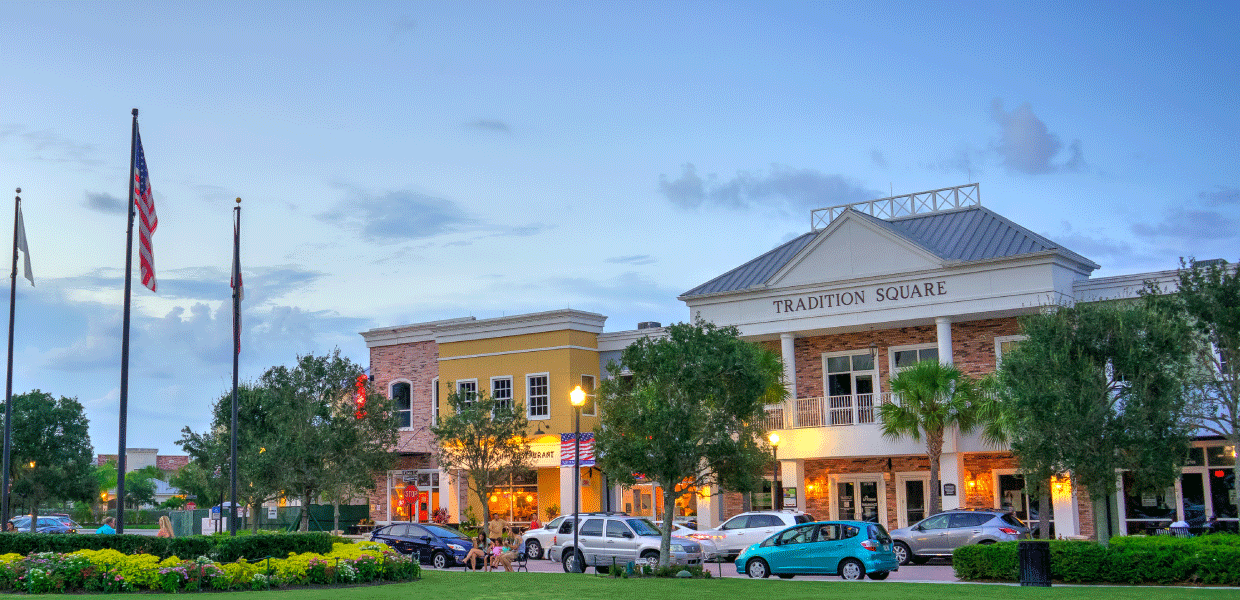
A single-family home in Port St. Lucie runs around $400,000, against a median sale price of $695,000 in Miami-Dade County, and that gap is pulling buyers from the Northeast, Midwest and California, retirees and relocating families alike, who are finding meaningfully more house for the same money.
Part of the reason sits down I-95. The Palm Beaches, and West Palm Beach above all, are in the middle of one of the most aggressive urban transformations in the country, the wave of financial firms, family offices and corporate headquarters that earned the city its Wall Street South nickname and landed both West Palm Beach and Palm Beach in the top five of the nation's fastest-growing cities. Office towers, residential projects and whole new districts are under construction there, and Boca Raton is pulling in its own share of relocating companies and new development. Those jobs pay Palm Beach County wages. Plenty of the people filling them cannot, or would rather not, pay Palm Beach County prices, and Port St. Lucie sits close enough up the coast to catch that spillover.
What separates this growth from a simple affordability play is that jobs are starting to follow the people rather than the other way around. The Southern Grove Jobs Corridor, a planned business and industrial development designed to be among the largest and most competitive commercial and industrial sites in South Florida, has already pulled in Costco, Amazon, FedEx, and Cheney Brothers, building an employment base that gives new residents a reason to stay working locally rather than commuting out.