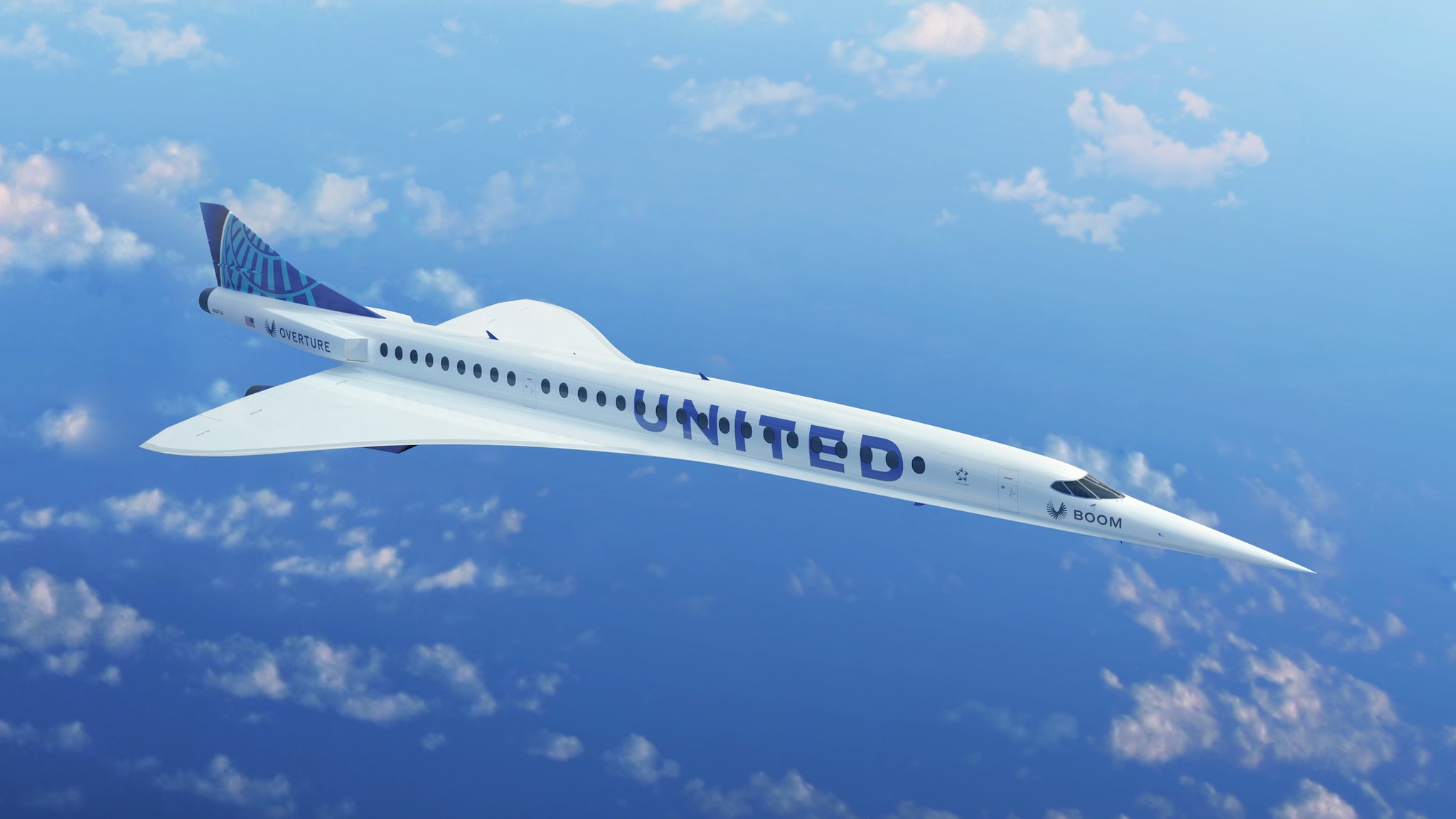
Supersonic passenger flight over the United States moved a step closer this week. On June 30, U.S. Transportation Secretary Sean P. Duffy announced that the Federal Aviation Administration is advancing a rule to enable civil supersonic flights over the continental U.S., the first move toward lifting a ban on overland supersonic travel that has stood since the 1970s.
Rather than banning aircraft from exceeding Mach 1 over land, the FAA's proposed rule replaces the blanket prohibition with a performance-based standard: supersonic flight would be allowed only for aircraft that keep their sonic boom below a strict ground-level noise threshold.
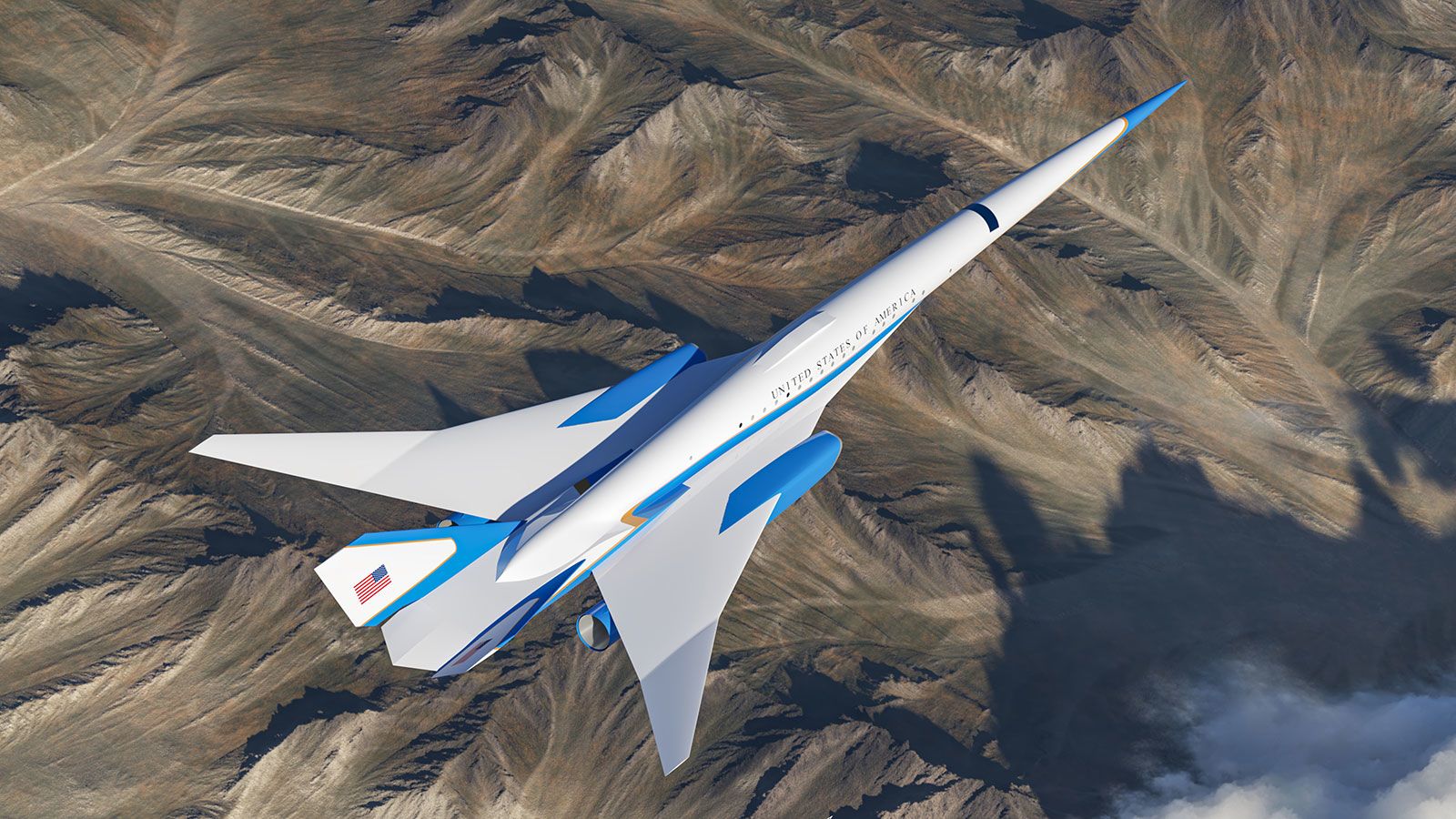
The proposed interim limit is 0.11 pounds per square foot of overpressure at ground level, a level meant to stay well below what causes property damage, and manufacturers would prove compliance through FAA-approved computer modeling, acoustic simulations, and flight testing. Once certified, operators would no longer need special authorization for each individual overland flight, replacing the cumbersome test-era process with a standardized pathway. A second rule, expected later this year, would establish separate takeoff and landing noise standards, recognizing that airport noise can be as politically sensitive as the boom itself. The FAA aims to finalize both rules by mid-2027.
The shift matters because the original ban was about speed, not noise. The FAA prohibited civil aircraft from exceeding the sound barrier over land in 1973, after public backlash to sonic booms, including months of testing over Oklahoma City in the 1960s that generated thousands of complaints and damage claims as repeated shock waves cracked plaster and shattered windows.
The technical key is a flight technique called Mach cutoff, in which an aircraft's design, speed, altitude, and atmospheric conditions combine so that the sonic boom refracts back up into the atmosphere before it reaches the ground. FAA Administrator Bryan Bedford said advances in aerospace engineering, materials science, and noise reduction now make it possible to repeal the decades-old ban while limiting noise for communities along flight routes and near airports.
Supersonic aircraft fly at Mach 1 and above, roughly 770 miles per hour or faster, against the 550 to 600 mph of today's commercial jets, a pace that could meaningfully compress long domestic and international routes.
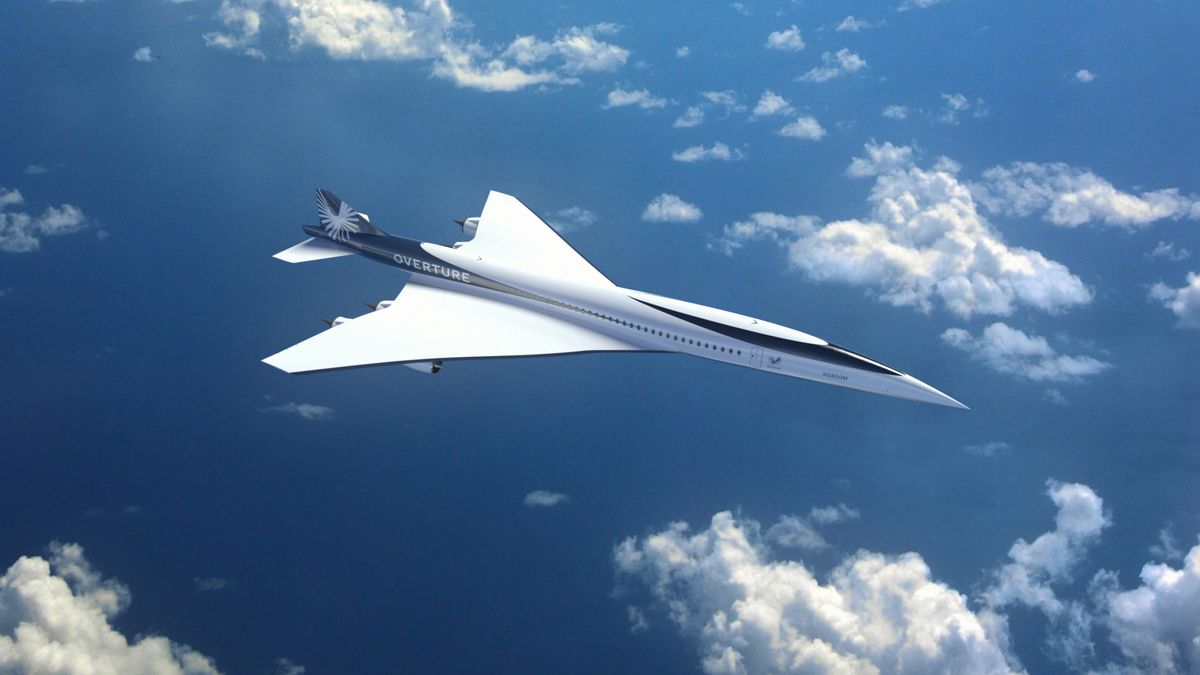
Colorado-based Boom Supersonic's Overture jet is already carrying orders and pre-orders from major U.S. airlines, designed for quieter supersonic flight, and cutting Los Angeles to New York travel to about two hours, down from roughly five and a half hours today.