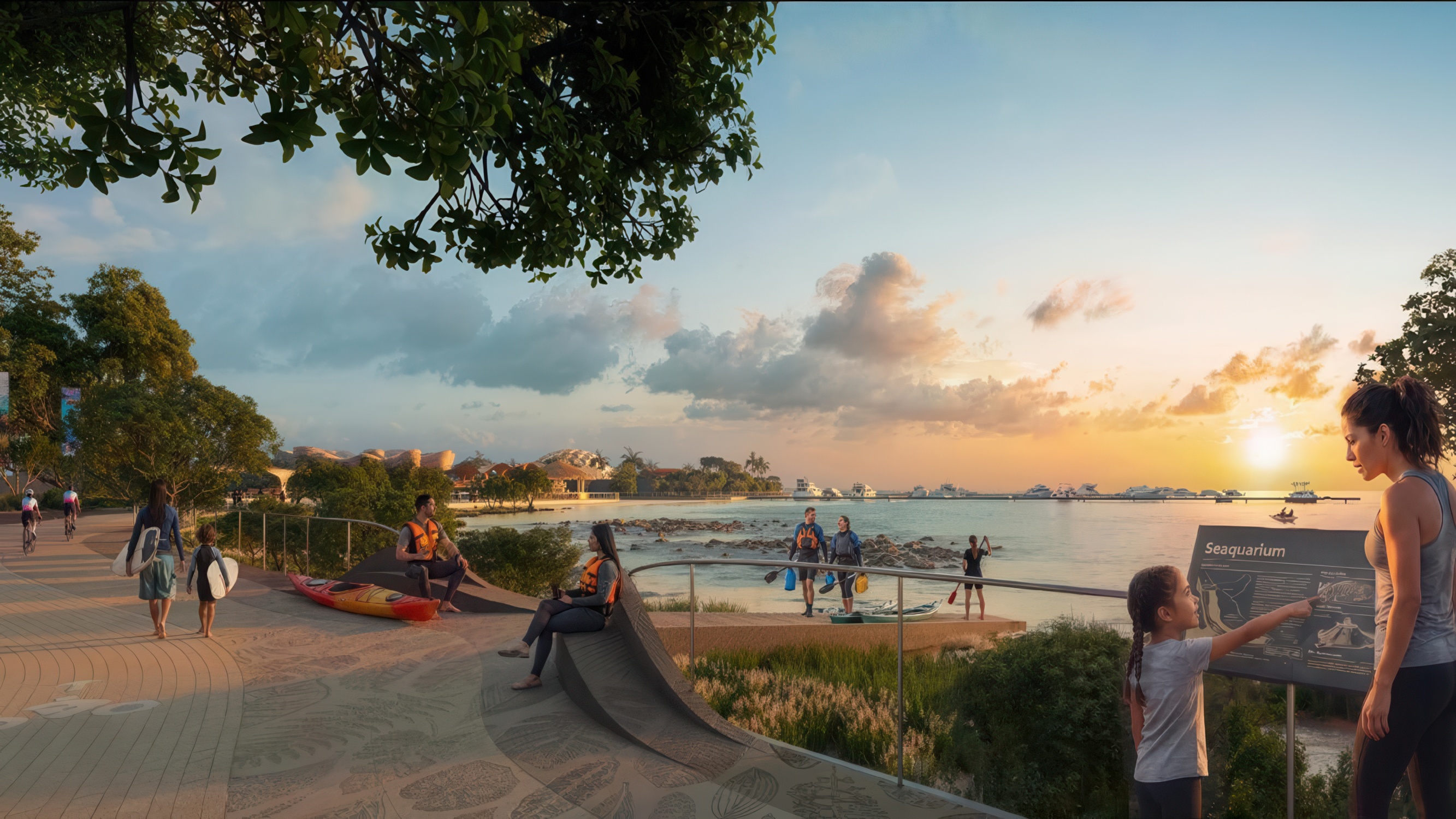
Miami Seaquarium's next life as a living bayfront has just been unveiled, with a plan to remake the attraction on Biscayne Bay around an 83,000-square-foot aquarium, a 118,000-square-foot marine research and innovation center, a surf lagoon built for lessons and science, and a free three-quarter-mile promenade along the water open year-round. Living Bayfront at Miami Seaquarium moved one step closer to reality on October 21, 2026, when the Miami-Dade County Commission voted unanimously to approve the first reading of its land use plan, and the vision folds in a public marina with 295 wet slips, waterfront dining, and the restoration of the Buckminster Fuller-designed Golden Dome and the Flipper House featured in the 1960s television series Flipper.
Terra, the Miami-based firm founded in 2001 and led by CEO David Martin, with more than eight million square feet developed across South Florida, was selected by a bankruptcy court to lead the transformation and has spent the past year gathering community input and fine-tuning the vision. "Miami Seaquarium represents a once-in-a-generation opportunity to reimagine one of our community's most iconic waterfront properties and create something that delivers lasting benefits for Miami-Dade County residents, visitors and Biscayne Bay," said Martin.
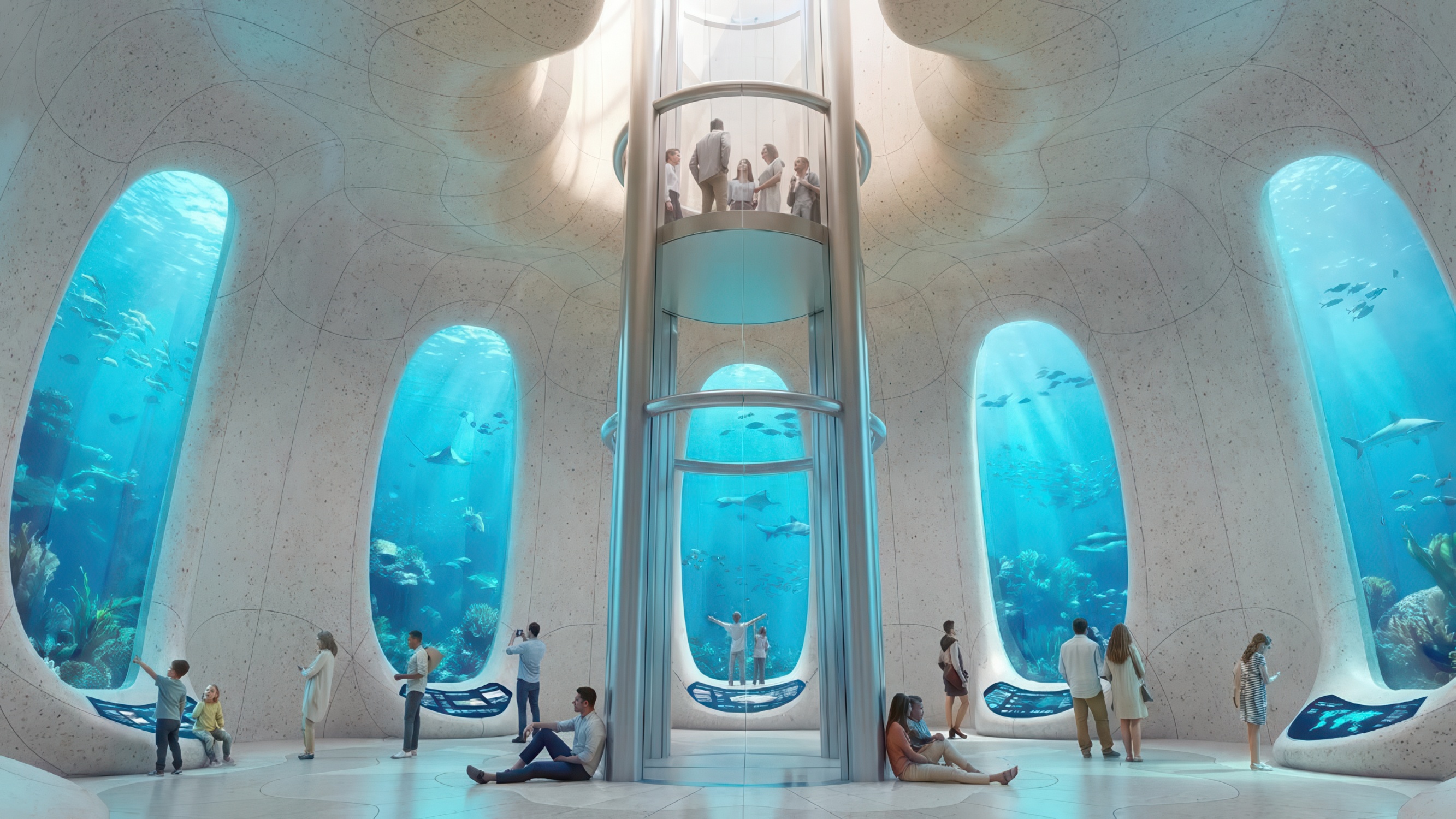
At the center of the property, the aquarium will span three floors with immersive exhibits of ocean ecosystems and real-time Biscayne Bay data. The UM DEEP Marine Research and Innovation Center, developed with the University of Miami Rosenstiel School, will hold research laboratories, a coral restoration center, and classrooms across its 118,000 square feet. The public marina will carry 295 wet slips and dry storage for 552 vessels, along with dedicated facilities for public safety and marine patrol operations, and it will occupy a previously dredged basin, so no new dredging will be required.
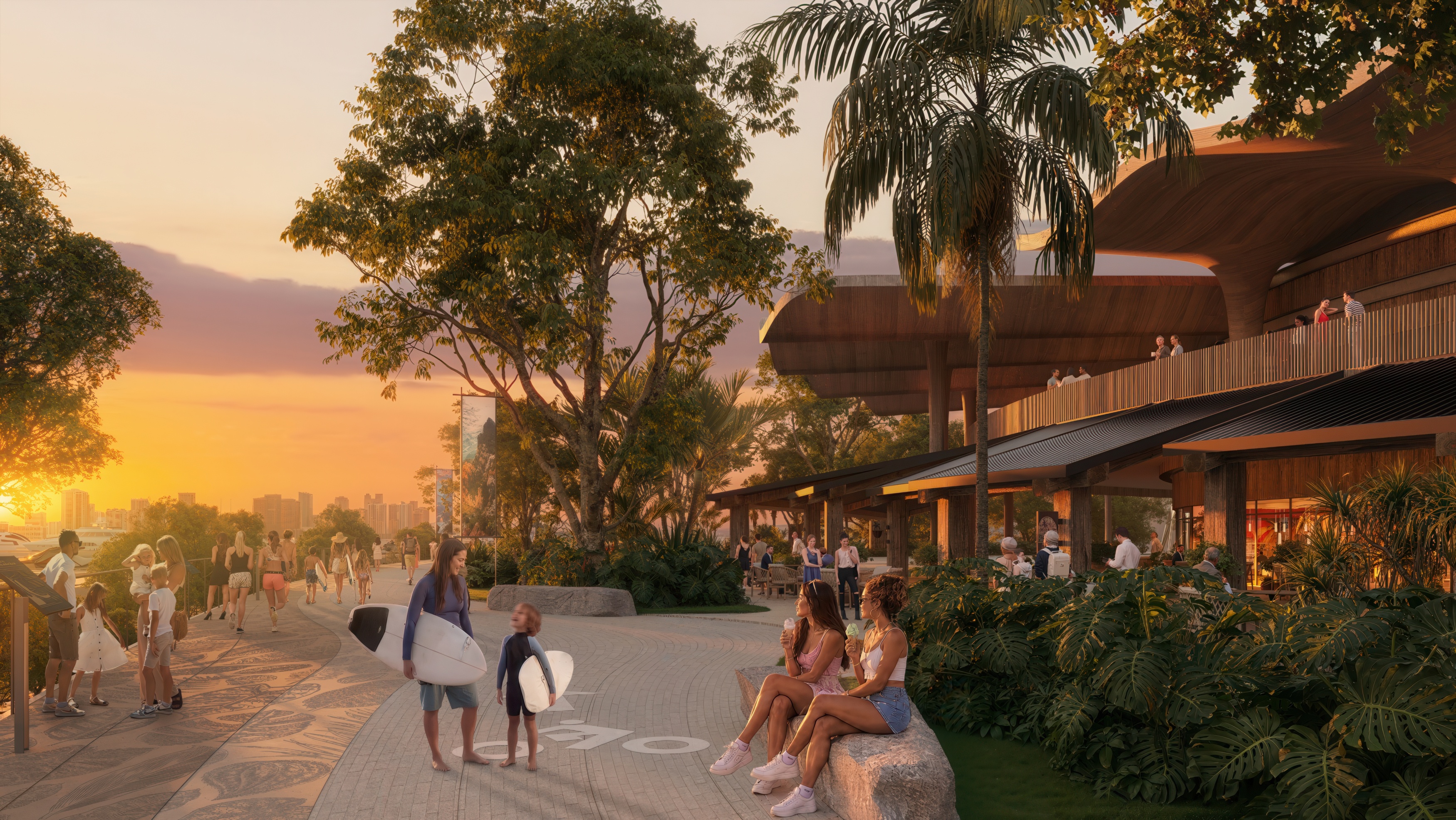
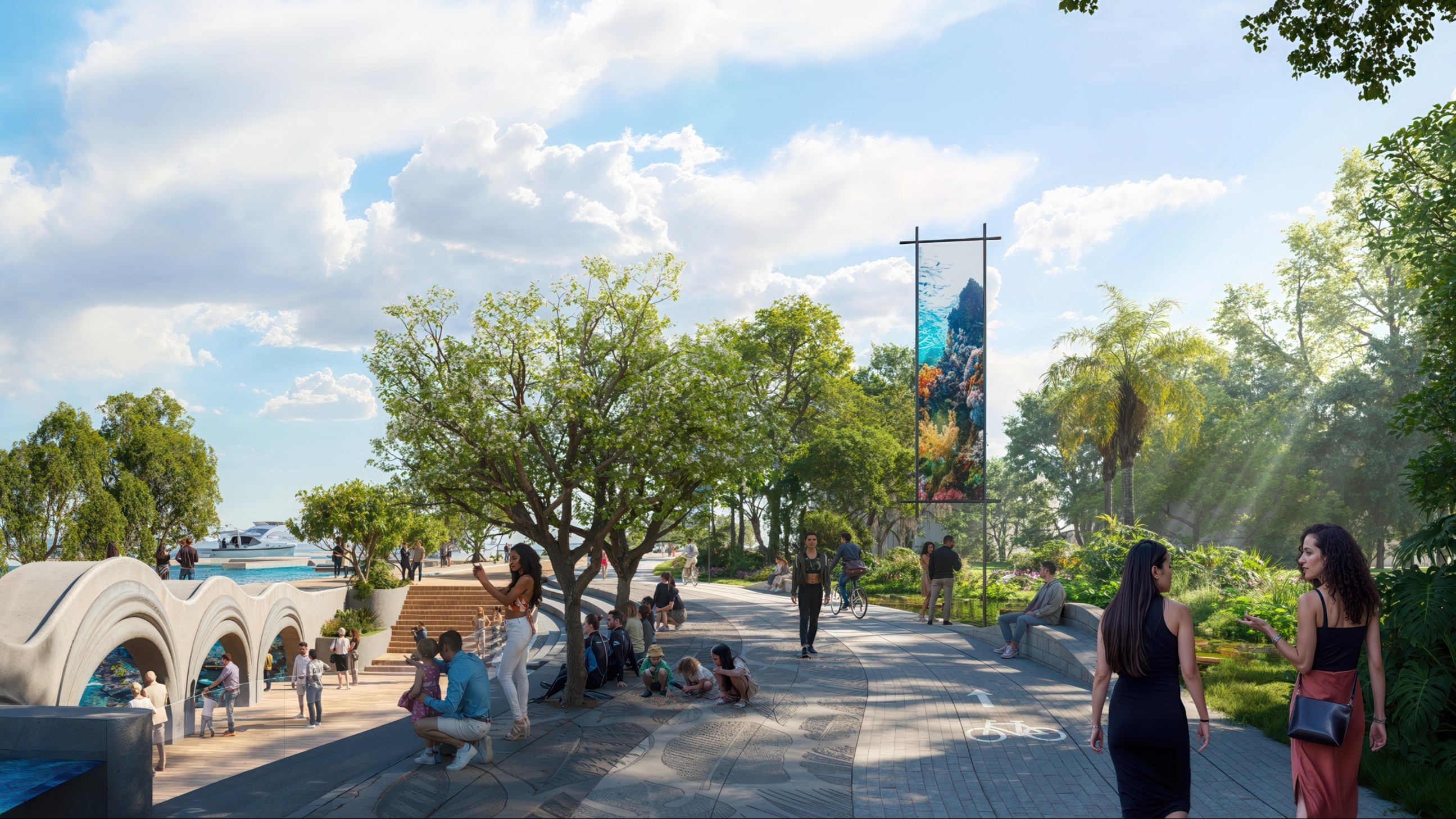
The Ocean Walk will run three-quarters of a mile along the water with shaded paths, native landscaping, environmental exhibits, and gathering spaces, connecting the attractions and the waterfront amenities. Along the seawalls, the Living Edge Underwater Classroom will let visitors observe marine habitats up close, learn about native species, and see how blue infrastructure supports water quality and biodiversity. Miami Wave, a surf lagoon and research pool, will host recreational surfing lessons and competitions while marine science teams use it to study waves, wind, tides, storm surge, and coastal systems. Harbor House & Fisherman's Village will combine marina services, restaurants, cafes, local retailers, and gathering spaces overlooking the bay, with additional waterfront restaurants, outdoor terraces, a public kayak launch, and landscaped green spaces around them.
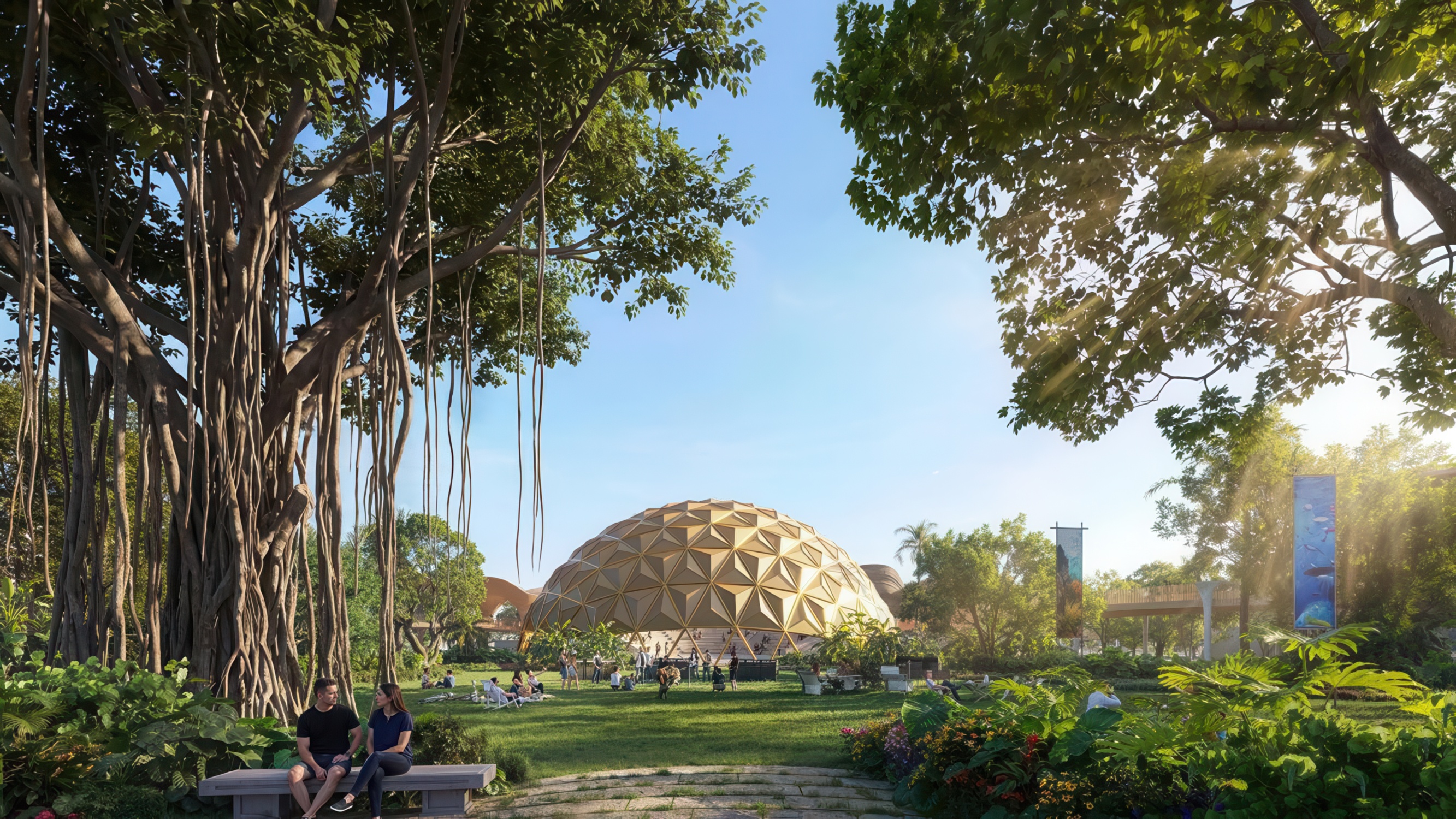
The Golden Dome will become a venue for performances, exhibitions, festivals, and community gatherings, with a landscaped lawn beside it open to the public year-round, and the historic Flipper House will be preserved and restored. Around those landmarks, Terra plans to rehabilitate portions of the property and the surrounding waterfront that were shaped by extensive dredging and filling in the 1940s. A newly formed Science Advisory Council, with experts from the Rosenstiel School and specialists in marine science, sustainability, and resiliency, will guide that work, and Noah Valenstein, former secretary of the Florida Department of Environmental Protection, is advising the project.
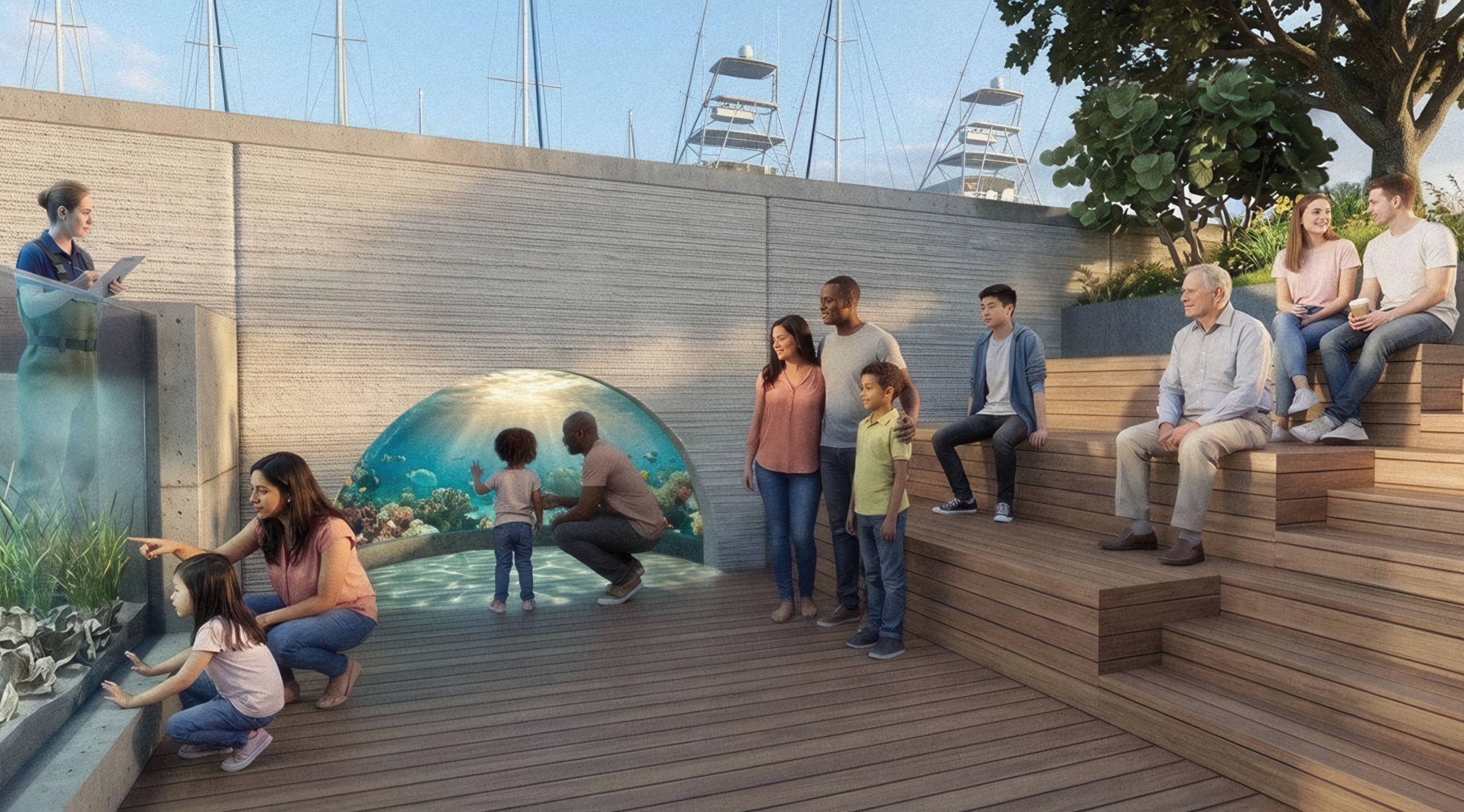
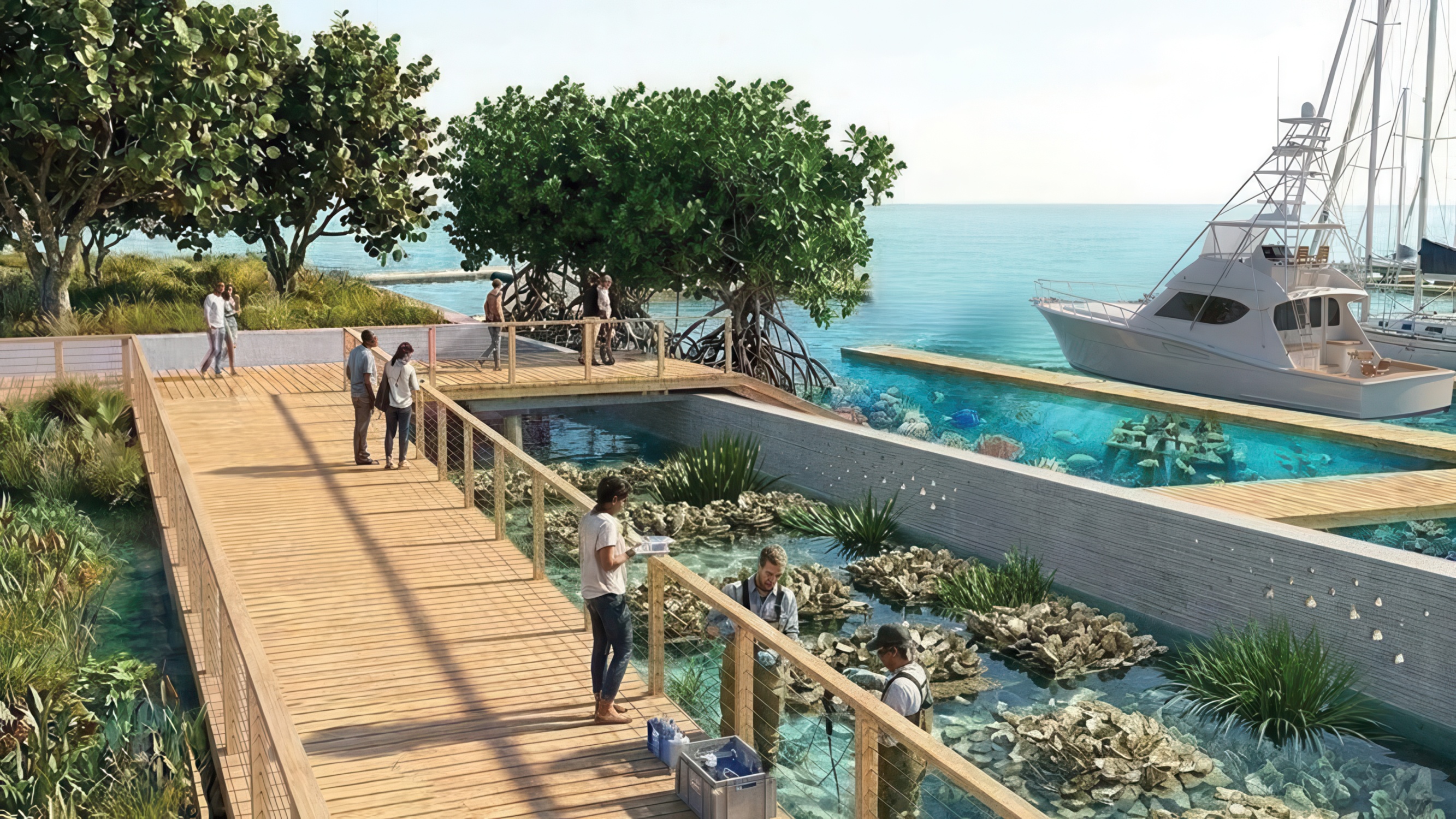
The shoreline itself will be built as habitat, with 3D-printed living seawalls and modular coral sod systems that create homes for oysters, sponges, and other marine life, alongside the restoration of seagrass meadows, coral habitats, mangroves, and oyster ecosystems, including coral nursery and transplantation programs. Oysters, sponges, wetland vegetation, and stormwater infrastructure will work to reduce pollutants entering the bay, and water quality, tides, and conditions will be tracked continuously, with the data made public and subject to independent scientific review. The marina is to earn Florida Clean Marina certification within 12 months of opening, with zero-discharge policies and free pump-out for slip holders, and eligible buildings will be built to the LEED Silver standard with expanded tree canopy, rooftop solar, and wildlife-sensitive lighting.
For Terra, the Seaquarium joins a Miami pipeline that already includes Villa Miami and Jean-Georges Miami Tropic Residences in the Design District, expected around 2029. The Commission's first-reading approval paves the way for a final County vote anticipated in November, and the plans remain subject to additional governmental and regulatory approvals after that.